Biotechnology, medical countermeasures and preparedness: DG HERA’s role in Europe’s health sovereignty
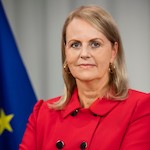
By Florika Fink-Hooijer, Director-General - DG HERA – Directorate-General for Health Emergency
Preparedness and Response Authority, European Commission


Six years after the COVID-19 pandemic fundamentally changed our perception of health security, one lesson remains undeniable: preparedness is not a luxury. It is a necessity – for our citizens, for our society, for our economy.
Recent public health emergencies, including the Ebola Bundibugyo outbreak in the Democratic Republic of Congo and a Hanta-/ Andesvirus outbreak on a cruise ship, remind us that such health threats are not episodic. They cross borders, sometimes before they are properly detected, and do not wait for political alignment or regulatory readiness. Viruses and other health threats do not sleep. Preparedness cannot either.
Europe is operating in an increasingly complex and volatile geopolitical environment. Growing instability, supply chain disruptions and competition for critical technologies are reshaping resilience and security. For this reason, preparedness is also a strategic imperative and an essential component for Europe’s sovereignty.
The European Commission’s Health Emergency Preparedness and Response Authority (DG HERA) was established to ensure that Europe can anticipate health threats and respond rapidly with the medical countermeasures needed to protect citizens. Our work spans the entire preparedness cycle, from surveillance to research, development, manufacturing readiness, supply chain security, procurement, stockpiling and deployment.
At the heart of Europe’s preparedness lies biotechnology. It has become the backbone of modern health security, enabling diagnostics, therapeutics and vaccines that can be rapidly adapted to emerging threats, while advances in mRNA technologies, synthetic biology and genomics are transforming how we detect and respond to them. For DG HERA, the value of biotechnology lies in its ability to generate medical countermeasures that can be deployed rapidly when lives are at stake. The rapid development of mRNA vaccines shows what biotechnology can achieve. Yet, innovation on its own is not sufficient. Strengthening surveillance systems, including wastewater monitoring, pathogen genomics and epidemic intelligence, improves early detection. Breakthroughs will only protect populations if they can be produced at scale and delivered where needed.
Preparedness also means strengthening the pipeline of medical countermeasures development. Through HERA Invest, the EU’s first dedicated health investment instrument, DG HERA helps innovative European SMEs advance high-potential medical countermeasures by addressing financing gaps in critical stages of development.
This brought us the world’s first approved antidote to ricin poisoning.
But preparedness extends beyond Europe’s borders. In an interconnected world, global cooperation and preparedness contribute to Europe’s security. Through the EU Global Health Resilience Initiative, we are strengthening cooperation on surveillance, medical countermeasures and manufacturing resilience. This commitment is reflected, for example, in the EU’s €360 million pledge to Gavi, the Vaccine Alliance, helping to strengthen immunisation and outbreak preparedness where it is needed most.
As Europe is strengthening global preparedness, at the same time, it is also taking measures to enhance its own resilience through health sovereignty. This means retaining the expertise, technologies and manufacturing capacity needed to protect European citizens. Manufacturing readiness is a critical component of this approach, as dependence on global supply chains for medical products remains a major vulnerability during crises. Europe cannot rely entirely on production decisions taken elsewhere when citizens’ health is at stake.
Against this backdrop, and in order to strengthen Europe’s industrial preparedness, DG HERA has invested in EU FAB, a network of manufacturing facilities with reserved vaccine production capacity that can be activated rapidly during health emergencies. Complementing this effort, DG HERA is launching RAMP UP, a network of manufacturers, innovators and suppliers designed to strengthen industrial readiness and help overcome production bottlenecks when demand surges. Additionally, DG HERA is actively supporting the “100 Days Mission” to produce a safe and effective vaccine within 100 days of identifying a pandemic threat. Through support for organisations such as the Coalition for Epidemic Preparedness Innovations (CEPI), as well as the establishment of the European Vaccines Hub (EVH), we are accelerating vaccine research and improving preparedness. Together, these initiatives help ensure that Europe can rapidly scale up the production of critical medical countermeasures when needed.
Whether facing emerging infectious diseases, vector-borne or climate-related threats, antimicrobial resistance, chemical, biological, radiological and nuclear threats, armed conflicts or a future “Disease X” – our ability to protect citizens depends on how quickly vaccines, therapeutics and diagnostics can be developed and deployed.
These medical countermeasures are essential tools of response. Recognising their importance, the European Commission adopted its Medical Countermeasures Strategy in 2025, providing a comprehensive framework to accelerate innovation, strengthen manufacturing and ensure critical health tools when emergencies strike.
Looking ahead, as the European Union is currently deciding on its budget for the next seven years, preparedness and the ability to respond, when necessary, must remain a priority. Ultimately, the investments we make today will determine how effectively Europe can protect its citizens tomorrow. DG HERA will continue to play its part in ensuring that Europe is ready for what lies ahead.